

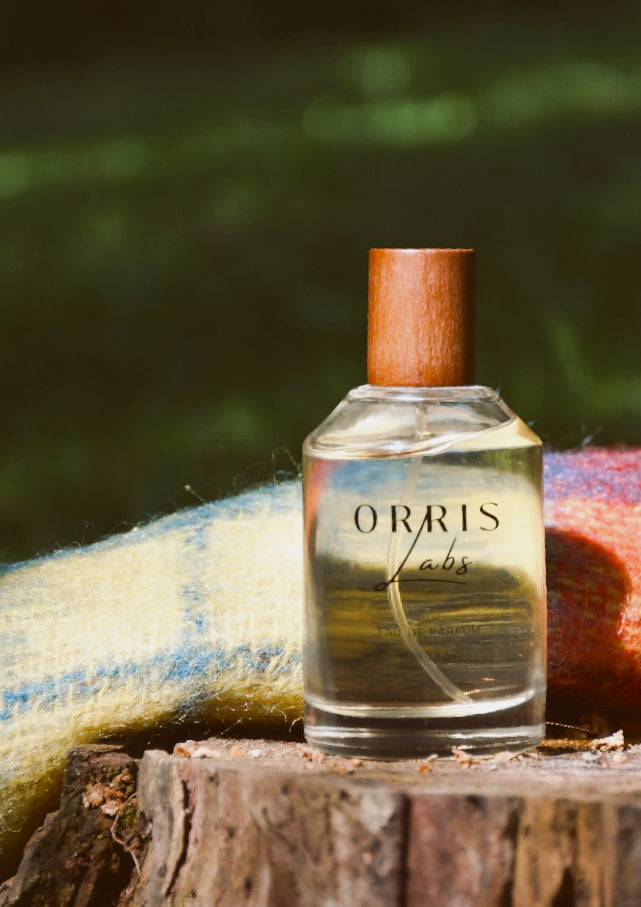
As the temperature drops, fragrance takes on a richer, more enveloping character. Warm spices, glowing amber, creamy woods and dark sensual notes bring depth and comfort to a composition, but their true beauty is revealed when they are balanced with brighter citrus, luminous florals and airy aquatic accords.
A well-balanced fragrance is not necessarily light or minimal. It is one in which every element has room to breathe: freshness creates lift, florals add emotion, and warm or darker notes provide depth and lasting presence.
Why Warm Scents Shine in Colder Months
Cooler weather naturally invites fragrances with greater richness and intensity. Notes such as cinnamon, cardamom, clove, ginger, nutmeg and pink pepper create a sense of warmth, while vanilla, amber, tonka bean and sandalwood contribute softness and comfort. Woody, resinous and gourmand notes are also often associated with the cozy, enveloping character of autumn and winter fragrances.
In colder air, these notes can feel especially inviting rather than overwhelming. A spicy amber fragrance may evoke candlelight, cashmere and quiet evenings, while a creamy sandalwood or vanilla accord can create the impression of warmth close to the skin.
The Role of Spice in Fragrance
Spice can perform several functions within a perfume. It may energize the opening, add texture to the heart or deepen the base. Its effect depends on the particular material and how it is blended.
• Cardamom brings a smooth, aromatic warmth with a slightly cool quality.
• Cinnamon adds sweetness, comfort and a familiar sense of coziness.
• Clove contributes a deeper, more intense spicy character.
• Ginger offers brightness and a lively, sparkling heat.
• Pink pepper creates a rosy, effervescent lift.
• Nutmeg adds a dry, woody and softly earthy dimension.
The most sophisticated spicy fragrances rarely rely on spice alone. Instead, spice is woven through woods, amber, florals or citrus to create contrast and balance.
Warmth Needs Contrast
A fragrance built entirely from heavy notes can feel dense or one-dimensional. This is where bright and transparent ingredients become essential. Citrus notes such as bergamot, lemon, mandarin, grapefruit and orange can cut through richness with freshness and radiance. Bergamot is particularly versatile because it has both citrus brightness and subtle floral, green and spicy facets, making it a natural bridge between fresh and warm accords.
This contrast is similar to the way texture is used in fashion or interiors. A deep velvet fabric becomes more appealing when paired with something lighter and more reflective. In fragrance, amber may feel more luminous beside bergamot, while vanilla can become less sweet when paired with grapefruit or aromatic herbs.
Pairing Dark Notes with Citrus
Dark and sultry notes do not have to be reserved for evening fragrances. When paired with citrus, they can become modern, polished and surprisingly versatile.
Consider these combinations:
• Bergamot and amber: Fresh at first, then warm and resinous as the scent develops.
• Grapefruit and oud: The citrus adds sparkle to oud’s smoky, woody character.
• Mandarin and tobacco: Juicy brightness softens tobacco’s dry, honeyed depth.
• Orange and cinnamon: A familiar seasonal pairing that feels both festive and inviting.
• Lemon and vetiver: Crisp and energetic, with an earthy, sophisticated finish.
The citrus note provides the initial lift, while the darker material gives the fragrance structure and longevity. This creates a scent that feels dynamic rather than simply sweet or heavy.
Florals Bring Softness and Emotion
Florals can add elegance and movement to warm compositions. Rather than making a fragrance feel exclusively fresh or feminine, floral notes can help soften dark accords and create a more rounded experience.
• Rose and oud create a dramatic, velvety contrast.
• Jasmine and amber combine radiance with sensual warmth.
• Orange blossom and vanilla produce a creamy, luminous effect.
• Iris and sandalwood create a powdery, refined composition.
• Tuberose and spice offer richness with an expressive floral presence.
• Violet and leather create a soft yet mysterious contrast.
Floral notes can also make spices feel more polished. For example, cardamom paired with jasmine may feel sheer and elegant, while rose combined with saffron or amber can feel opulent and deeply sensual.
Aquatic Notes in Winter Fragrance
Aquatic and marine accords are often associated with summer, but they can work beautifully in colder months when used as a contrasting element. Their cool, airy quality can give a dense fragrance a sense of space and movement.
An aquatic accord paired with cedarwood may feel clean and architectural. Marine notes alongside amber can create the impression of a cold ocean landscape warmed by golden sunlight. Even a dark musk or smoky wood can benefit from a touch of airy freshness, preventing the composition from becoming too dense.
The key is proportion. Aquatic notes do not need to dominate the fragrance; they can act as a translucent veil over woods, musk, amber or spice.
Building a Balanced Fragrance
A fragrance is often understood through its top, heart and base structure. While modern perfumery does not always follow a strict pyramid, this framework is useful when considering balance.
Top Notes: Brightness and First Impression
Top notes are often the first impression of a fragrance. Citrus, aromatic herbs, ginger and pink pepper can create energy and freshness before the richer elements emerge.
Heart Notes: Character and Expression
The heart is where the fragrance develops its personality. Florals, spices, tea, fruits and aromatic notes can connect the brightness of the opening with the depth of the base.
Base Notes: Depth and Persistence
Base notes provide warmth, texture and lasting presence. Woods, amber, musk, vanilla, tonka bean, leather, tobacco, patchouli and oud can anchor the composition and give it a sensual drydown.
A balanced cold-weather fragrance might therefore open with bergamot and pink pepper, develop into rose and cardamom, and settle into amber, sandalwood and vanilla.
Dark Notes Can Still Feel Bright
Dark does not always mean heavy. Notes such as leather, tobacco, oud, incense and patchouli can be interpreted in many ways depending on what surrounds them.
• Leather with neroli can feel sleek and fresh.
• Tobacco with orange can become warm and radiant.
• Oud with rose and saffron can feel luxurious rather than austere.
• Incense with lemon can create a clean, meditative effect.
• Patchouli with lavender can feel earthy but refined.
• Musk with aquatic notes can create a soft, airy skin scent.
This is the creative power of contrast: bright notes make darker materials feel more approachable, while darker notes give bright ingredients greater depth and sophistication.
Finding the Right Balance
When creating or selecting a warm fragrance, the goal is not simply to choose the richest notes available. Instead, look for the relationship between the ingredients.
Ask yourself:
• Does the fragrance have an element that creates lift?
• Is the sweetness balanced by dryness, spice or wood?
• Do the darker notes feel smooth rather than overpowering?
• Is there enough texture to keep the scent interesting as it dries down?
• Can the fragrance move from its bright opening into a warm, cohesive finish?
The most memorable cold-weather fragrances often contain a sense of contrast: glowing amber against crisp citrus, creamy vanilla beside dry woods, or sultry musk softened by luminous florals.
The Beauty of Seasonal Contrast
Warm and spicy fragrances are often associated with comfort, richness and intimacy, but they do not need to feel heavy or predictable. When blended with citrus, florals and aquatic notes, they can become brighter, more fluid and more contemporary.
The result is a fragrance with dimension, one that begins with freshness, develops through character and settles into warmth. In this balance between light and shadow, coolness and heat, a scent becomes more than seasonal. It becomes expressive, memorable and uniquely its own.


