

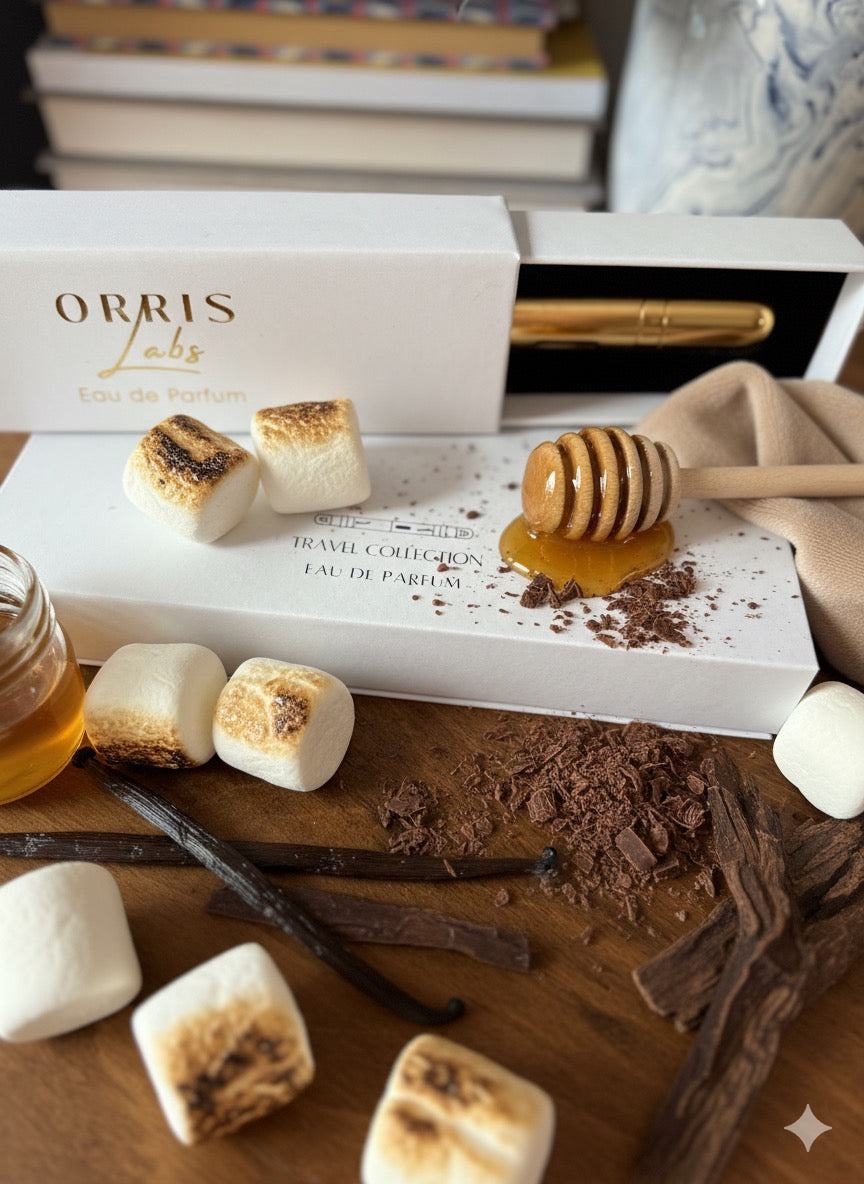
Gourmand fragrances have become a defining category in modern perfumery, known for their edible, indulgent, and comforting profiles. While vanilla fragrances often lead the conversation, the gourmand family is far more expansive; built on contrast, texture, and a diverse palette of notes that go well beyond a single sweet accord.
What Defines a Gourmand Fragrance?
At its core, a gourmand fragrance is designed to evoke taste, drawing inspiration from desserts, confections, and culinary ingredients. These scents are not just about sweetness; they are about recreating a sensory experience.
Key characteristics:
• Edible or dessert-inspired notes
• Warm, enveloping compositions
• A balance between sweetness and structure
Rather than being purely sugary, the most refined gourmand perfumes use contrast to create dimension, pairing sweetness with woods, spices, or resins to avoid a flat or overly rich result.
Vanilla: The Icon, Not the Entire Story
Vanilla remains the signature note of gourmand perfumery for good reason. It is warm, creamy, and instantly recognisable, making it both commercially appealing and highly versatile.
However, not all vanilla scents are created equal. The origin and treatment of vanilla can dramatically shift a fragrance’s character:
• Madagascar vanilla: soft, creamy, classic sweetness
• Tahitian vanilla: more floral and airy
• Mexican vanilla: deeper, spiced, slightly smoky
Despite its appeal, vanilla can become predictable when overused. On its own, it risks feeling linear, missing the depth that defines more elevated gourmand compositions. This is why modern perfumery often treats vanilla as a supporting note rather than the sole focus.
Expanding the Gourmand Palette
To fully appreciate gourmand fragrances, it is essential to explore the broader range of edible notes that shape this category.
Common gourmand notes beyond vanilla:
• Tonka bean: almond-like, powdery, with tobacco and hay nuances
• Cacao / chocolate: rich, bitter, and complex
• Caramel: buttery and indulgent
• Praline: nutty, roasted sweetness
• Coffee: aromatic, roasted, slightly bitter
These notes introduce texture and depth, allowing gourmand fragrances to feel more sophisticated and less overtly sweet. For example, a chocolate note paired with woods can feel dark and atmospheric rather than dessert-like.
Fruity and natural gourmand elements also play a growing role:
• Fig: creamy, green, and slightly milky
• Cherry: bold, syrupy, with a tart edge
• Pear: soft and subtly sweet
• Honey: warm, golden, and slightly animalic
These ingredients bring brightness and variation, helping to lift heavier base notes and create a more dynamic composition.
The Importance of Balance
What separates a basic gourmand from a refined one is balance. Sweetness alone is not enough, contrast is what creates intrigue and wearability.
Key balancing elements:
• Woods (sandalwood, cedar): add dryness and structure
• Resins (benzoin, labdanum): deepen warmth and longevity
• Spices (cardamom, cinnamon, nutmeg): introduce lift and complexity
• Musk: softens and diffuses sweetness
A well-composed gourmand fragrance uses these elements to control sweetness, ensuring the scent evolves on the skin rather than remaining static.
Choosing Beyond Vanilla
For many fragrance wearers, vanilla is the default entry point into gourmand scents. But understanding what you enjoy about vanilla can open the door to more interesting alternatives.
Consider:
• Creamy comfort → vanilla, tonka, soft caramel
• Roasted depth → coffee, cacao, nuts
• Fresh sweetness → fruits, honey, lighter gourmand blends
• Elevated compositions → gourmand notes paired with woods and resins
By shifting focus from a single note to the overall composition, it becomes easier to discover fragrances that feel more personal and less predictable.
A More Modern Gourmand Perspective
Vanilla is not disappearing from perfumery, it is evolving. Today’s gourmand fragrances are less about overt sweetness and more about contrast, texture, and storytelling.
Perfumers are increasingly exploring:
• Unexpected pairings (coffee with fig, sesame with vanilla)
• Sweetness balanced by bitterness or dryness
• Layered compositions that evolve over time
The result is a new generation of gourmand fragrances that feel refined, multidimensional, and wearable across seasons, proving that while vanilla may be the icon, it is no longer the entire narrative.


