

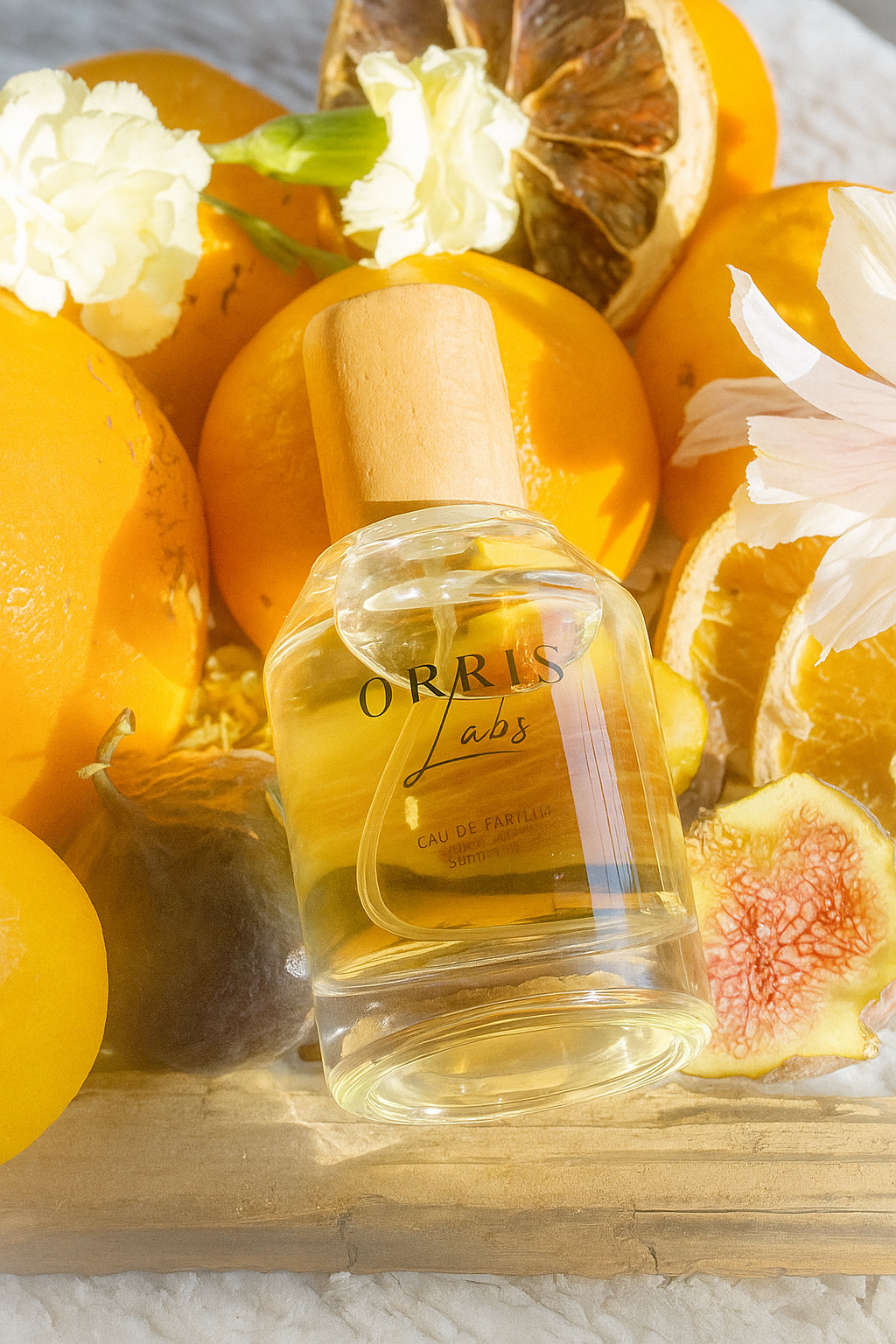
Fragrance is more than a finishing touch, it is an extension of mood, setting, and season. Just as wardrobes shift with time of day and climate, so too should scent. Understanding how fragrance families align with occasions allows for more intentional and expressive wear, elevating perfume from accessory to atmosphere.
Evening and Nighttime Scents
Nighttime fragrances tend to be deeper, more enveloping, and sensual. These compositions are designed to linger in cooler air and complement dim lighting, formal settings, or intimate environments.
Common notes include:
• Amber and resins, which add warmth and a soft glow
• Oud and woods like sandalwood or cedar, offering depth and richness
• Spices such as cardamom, clove, and saffron for intrigue
• White florals like jasmine or tuberose, often intensified for a more narcotic effect
• Gourmand elements like vanilla, tonka bean, or dark chocolate for a velvety finish
These scents often unfold slowly, revealing complexity over time—ideal for dinners, events, or evening gatherings where presence matters.
Summer Fragrances
Summer compositions prioritize freshness, lightness, and diffusion. Heat amplifies scent, so these fragrances are typically more transparent and uplifting.
Typical summer notes include:
• Citrus (bergamot, lemon, grapefruit) for brightness and energy
• Aquatic accords that evoke sea air or mineral freshness
• Green notes like grass, tea, or herbs for a crisp, natural feel
• Light florals such as neroli, orange blossom, or peony
• Fruits like fig, coconut, or melon for a subtle sweetness
Summer scents are designed to feel effortless and breathable, often with a sparkling or dewy quality that mirrors the season’s vibrancy.
Autumn Transitions
Autumn fragrances bridge freshness and warmth, reflecting the shift in temperature and mood. These perfumes often feel comforting yet refined.
Key notes include:
• Woods like vetiver, patchouli, and sandalwood
• Spices such as cinnamon, nutmeg, and pink pepper
• Fruits like apple, plum, or dried fig
• Soft leathers and smoky accords for added depth
These compositions are ideal for layering and tend to have a cozy, textured quality—perfect for transitional wardrobes and cooler evenings.
Winter Scents
Winter fragrances are bold, dense, and long-lasting. Cold air dulls projection, allowing for richer materials to shine without overwhelming.
Common winter notes include:
• Heavy resins like frankincense and myrrh
• Deep gourmands (vanilla, caramel, roasted nuts)
• Dark woods and oud
• Leather and smoky accords
• Spiced florals or balsamic blends
These scents create a sense of warmth and intimacy, often wrapping the wearer in a cocoon-like aura suited for cold climates and festive occasions.
Daytime and Professional Settings
For daytime or workplace environments, fragrances should feel polished, subtle, and non-intrusive.
Typical profiles include:
• Soft musks and skin scents
• Light florals like iris, rose, or lily of the valley
• Clean citrus and aldehydes
• Gentle woods such as cedar or cashmere wood
These compositions sit closer to the skin, offering refinement without overpowering shared spaces.
Special Occasions and Signature Scents
For milestone events or personal signatures, fragrance can lean more distinctive and expressive. These scents often balance familiarity with a unique twist.
Look for:
• Unexpected pairings (e.g., floral with smoke, citrus with spice)
• High-quality naturals or rare materials
• Strong inital scents with a memorable dry-down
A signature scent should feel personal yet adaptable, something that evolves with the wearer while remaining recognisable.
Selecting fragrance by occasion is not about rules, but resonance. The right scent enhances not only how one is perceived, but how a moment is experienced. Quietly shaping memory, mood, and presence.


