

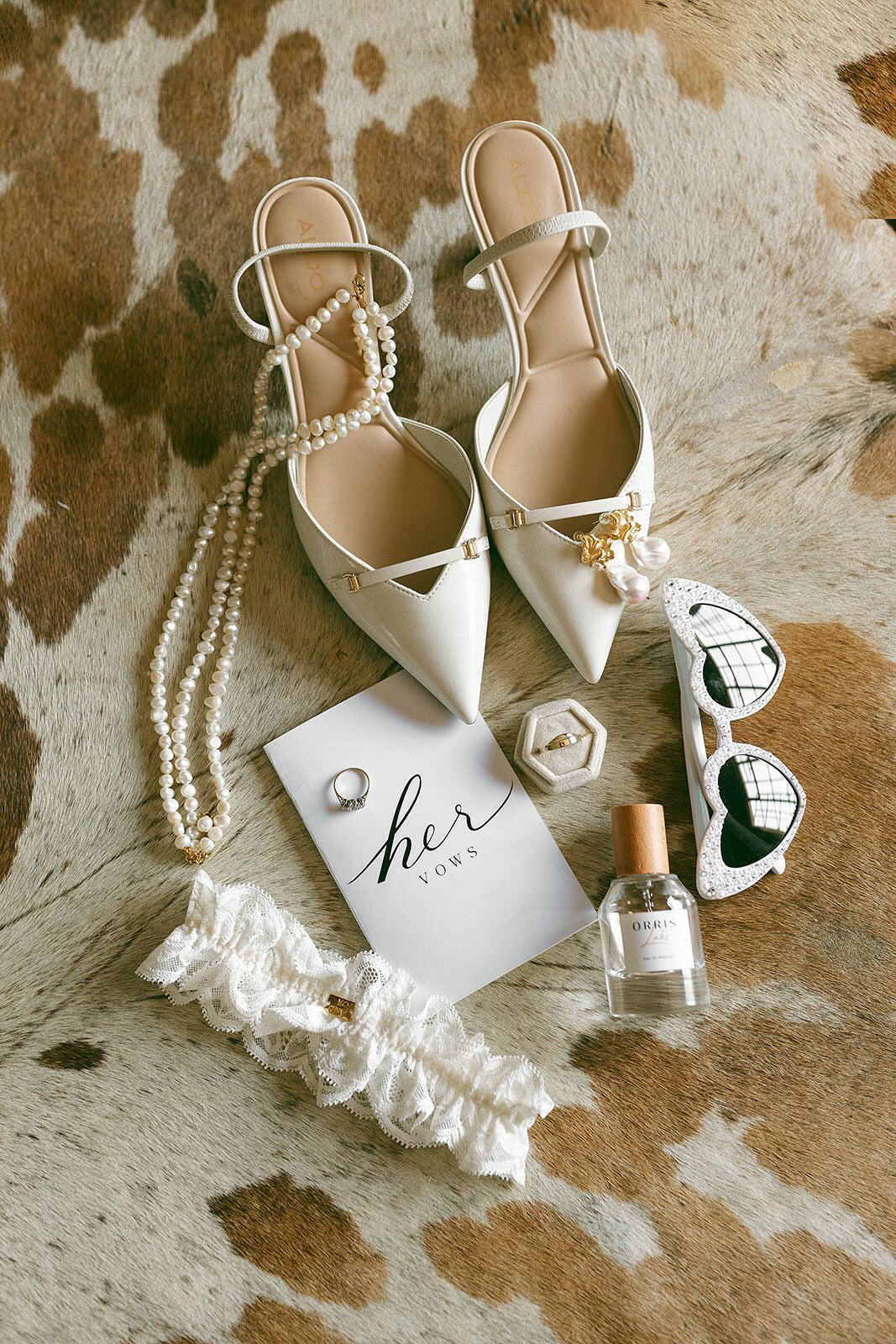
Wedding scents became a hallmark of marriage because they symbolized purity, blessing, and sensual new beginnings, while also creating a shared memory that couples and guests could literally “breathe in” together.
Why scent matters so much at weddings
Scents mark a threshold: burning incense or using perfume at the moment of vows signals a move from single life into a new, sacred status. Fragrance adds invisible “decoration”: it surrounds the couple and guests, turning an ordinary room into a special, celebratory space. Smell is tightly linked to memory, so a wedding scent helps lock that day into everyone’s mind; when they smell it later, the emotions return. A simple example: a couple chooses jasmine and sandalwood for their ceremony; years later, a whiff of jasmine instantly brings back their wedding day and the feelings around it.
India: flowers, incense, and auspicious air
Indian weddings often burn agarbatti (incense sticks) like sandalwood, jasmine, and rose to purify the space and invite divine blessings on the union. Rose petals and jasmine garlands are used to fragrance the mandap (wedding canopy) and the couple themselves, symbolizing auspiciousness, love, and fertility. Even paan, flavored with cardamom, cloves, and nutmeg, is exchanged between families; its aroma underlines acceptance and blessings for the newlyweds. Here, scent is not just a nice extra; it’s built into the ritual steps that “seal” the marriage as blessed and prosperous.
Middle East & Arabic weddings: oud, rosewater, and bukhoor
In many Middle Eastern weddings, rosewater is sprinkled on guests, used to perfume the hall, and applied to the bride, standing for purity, love, and good fortune. Arabic weddings traditionally anoint the bride with perfumed oils like oud, jasmine, orange blossom, and musk so she carries a radiant, lasting aura of beauty and attraction. Burning bukhoor (incense from scented wood chips) at the entrance and during the party both welcomes guests and symbolically “cleanses” them as they pass through the smoke into a joyful, sacred celebration. These practices make perfume and incense central to how the community experiences the wedding—through warmth, hospitality, and a sense of luxury.
East Asia: incense and symbolic blossoms
In traditional Japanese ceremonies, refined incense (often sandalwood or agarwood) is burned so the fragrant smoke can cleanse spirits and create a calm space for vows. Historically in China, brides wore crowns or adornments of fragrant orange blossoms to ensure fertility; orange blossom later became a classic “wedding flower” in Western traditions as well. Dragon and Phoenix candles, sometimes infused with fragrant oils like jasmine, are lit to represent the harmonious union of bride (phoenix) and groom (dragon). Orange blossom in particular becomes a global wedding emblem: sweet, white, and floral, it signals virtue and fruitful love at once.
Europe and the modern “wedding day fragrance”
Mediterranean and European weddings have long used orange blossom in bouquets and hair, with its smell representing purity and fertility. Queen Victoria’s orange blossom wreath at her 1840 wedding helped fix the flower, and its scent, as a symbol of romantic, virtuous marriage in Western fashion and perfumery. Today many brides and grooms choose a dedicated “wedding day perfume,” often built around romantic notes like orange blossom, jasmine, or rose, so that one fragrance becomes tied uniquely to their ceremony. Modern guides even suggest scenting the whole venue with candles, diffusers, or aromatic greenery so the wedding is remembered as much by its smell as by its look.
What would your wedding scent be?


